
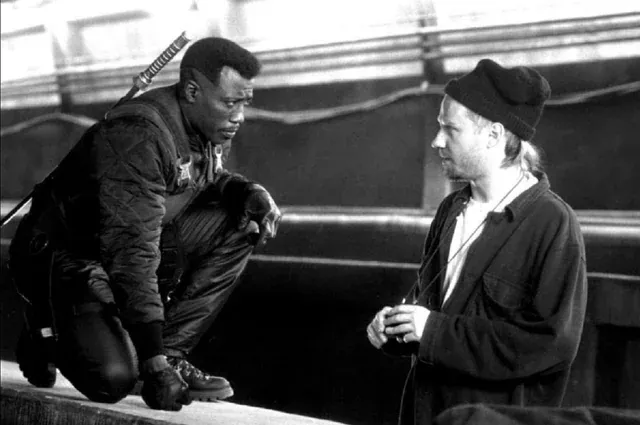
Stephen Norrington
Superhero Genre Architect & Pioneer of Radical Self-Reliance
Primary Studio
Independent (DIY Production - Bend, Oregon)
Core Discipline
Directing & Multi-Disciplinary VFX
Legacy Status
Architect of the Modern Superhero Blockbuster
Primary Studio
Independent (DIY Production - Bend, Oregon)
Core Discipline
Directing & Multi-Disciplinary VFX
Career Role Distribution
A quantitative breakdown of their contributions to cinema over decades. Tactile craftsmanship remains the core, while influence extends into direction and specialized engineering.
Archive Timeline: Output by Decade
Career Span
1985-2026
Total Credits
11
Peak Decade
1990s
5 credited projects
Top-Rated Film Involvement
Aliens
Creature Effects • 1986 • 8.0 TMDB
The Legacy
Meter
Based on 1 reader
Most readers call this legacy
Ahead of Their Time
From The Interview
Norrington views the isolation of independent production not as a restriction, but as a survival strategy against corporate apathy.
“Take more responsibility for things so you can reduce your dependency on corporations that don't have your best interests at heart.”
The friction of high-budget filmmaking revealed a fundamental mismatch between his meticulous craft and the studio's focus on financial compromise.
“I wasn't temperamentally suited to being a Hollywood filmmaker... Film financiers want to turn a profit—I want to do exactly what I want to do, damn the audience.”
An acute awareness of mortality serves as the primary engine for his prolific, solitary creative output.
“My lifelong preoccupation is with time slipping away—it’s always been painfully clear to me that 'The Clock Is Ticking' and 'It’s Later Than You Think.'”
The Acts
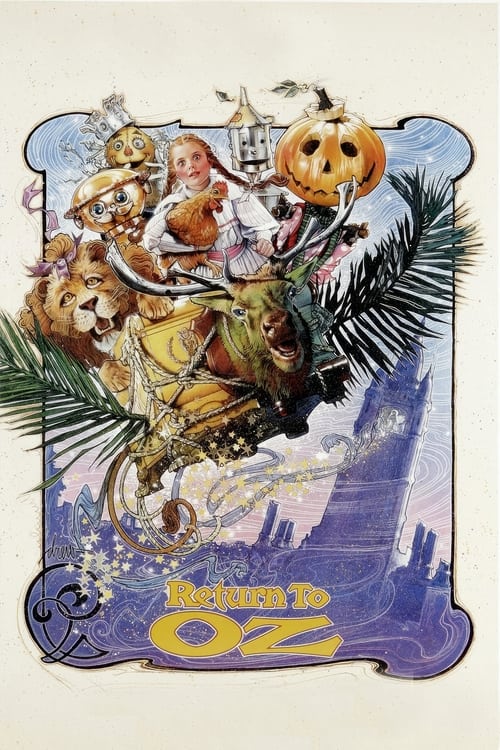
The Trench Years
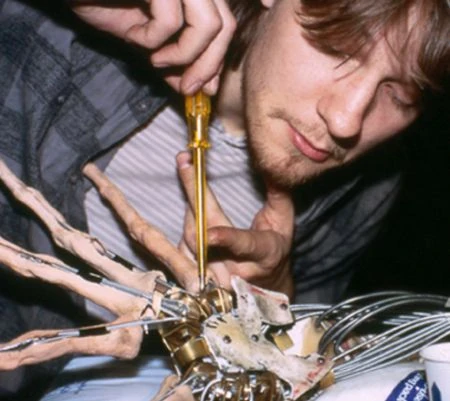
A period defined by the grit of practical sculpture and animatronics. These years build a technical mastery that would eventually allow him to bypass the need for professional crews entirely.
“I was always more impressed by Rob Bottin than by movie stars.”
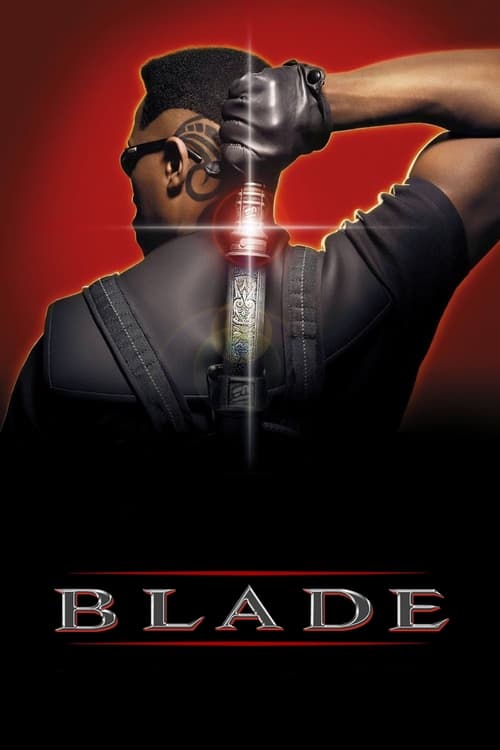
The Disruptor
From the grimy techno-horror of Death Machine to the high-gloss gothic of Blade, this era establishes a new cinematic vocabulary for the superhero genre, proving that style and violence could be culturally transformative.
“I told my agent that I'd only do a 1-picture deal for Blade... I think they figured I was mentally ill.”
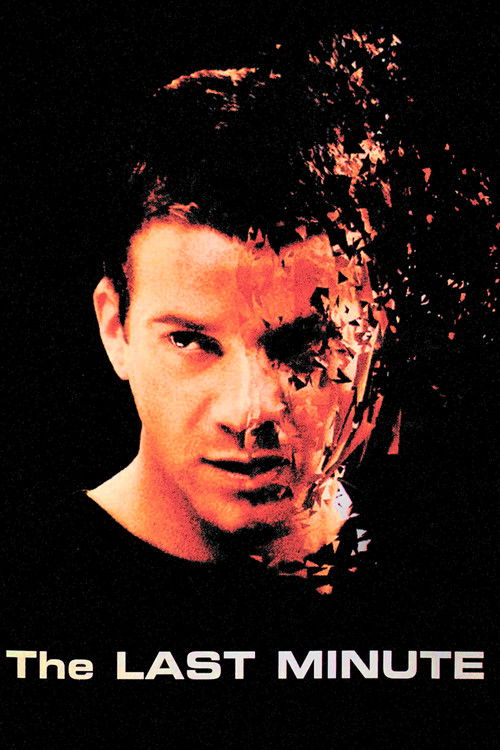
The Sovereignty Pivot
A shift toward personal 'urban fables' and self-determined projects. The Last Minute reveals the director's true visual DNA, prioritizing atmospheric texture over blockbuster appeal.
“It remains his favourite of his four films. A 'UK grime-fable about the perils of ego.'”
The Radical Recluse
Walking away from the studio system leads to a decade of deconstruction and the adoption of DIY digital tools. The current phase is one of absolute creative freedom, operating far outside the industry's line of sight.
“I tell people the two best decisions I made in my life were to get into the movie biz and get out of it.”
Filmed Across
The World
RZ // PRODUCTION CARTOGRAPHY
Stephen Norrington
Filmography
Archive
A chronological ledger of Stephen Norrington's contributions to cinematic history, spanning specialized creature effects and mechanical innovations.
Retrieval Protocol
Select any entry to retrieve deep-archival production data including synopses and crew records.
2020s
2000s
1990s
1980s
Over two digital collaborations, a portrait emerges of a man who didn't so much 'vanish' as he did complete a planned extraction from a system he found fundamentally inauthentic. There is a palpable sense of relief in his correspondence; he speaks not as a victim of studio politics, but as a sovereign who successfully negotiated his own exile. The author finds him not broken, but sharpened—a filmmaker who has successfully collapsed the distance between vision and execution by becoming his own crew.
What the author returns to most frequently is Norrington's refusal to participate in the industry's mythology. He treats the legendary stories of on-set warfare with a dry, humored detachment, preferring to discuss the technical specifications of a $30 Amazon tripod or the 'hell on wheels' that is rotoscoping. The intimate access revealed here shows a creator who has found a way to outrun the ticking clock of his own preoccupation by simply refusing to wait for permission to start.
Structural Methodologies
Interlocked Post-Production
Pioneered a workflow where music, sound effects, and picture edit are built as a single, rhythmic architectural unit.
Practical Animatronics
Expert-level creature design and construction, from 'Aliens' xenomorphs to the 'Warbeast' in Death Machine.
Micro-Budget Engineering
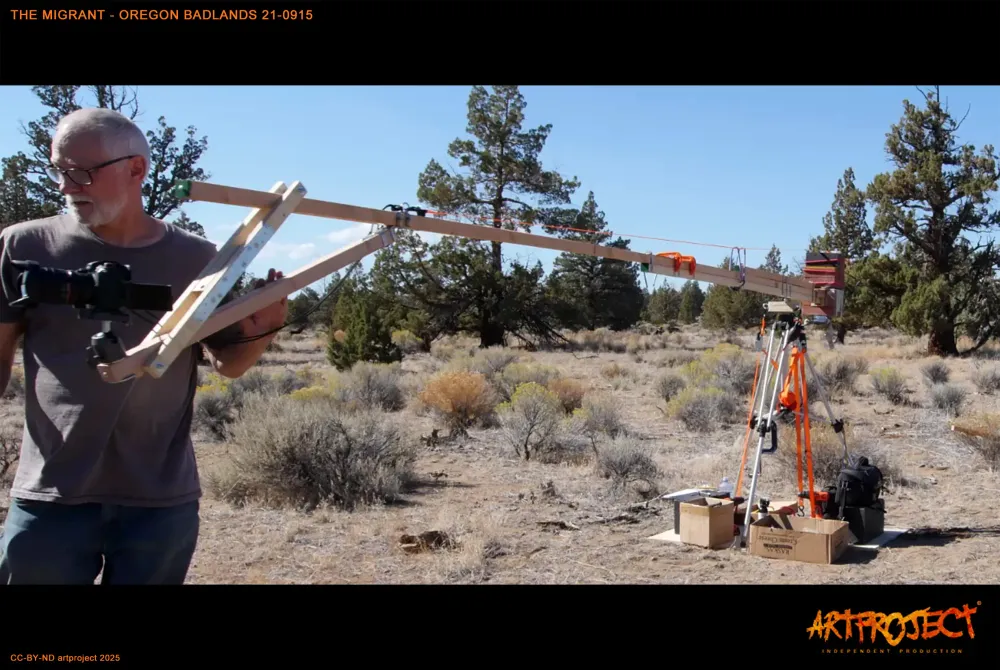
Constructing professional-grade production tools (cranes, rigs) from raw materials to bypass studio overhead.
DIY Pipeline Integration
Single-handedly managing 7.1 sound mixing, Blender-based CGI, and high-end color grading on consumer-grade hardware.
The Workshop
Ledger
A gallery of archival images from across the work.


Institutional Recognition
Special Jury Prize
Directing
Death Machine (1995)
Saturn Award Nomination
Best Horror Film
Blade (1999)
"Life is better when it’s simpler. I tell people the two best decisions I made in my life were to get into the movie biz and get out of it."

Stephen Norrington
Directing & Multi-Disciplinary VFX
Stephen Norrington is the British filmmaker responsible for the 1998 cultural pivot 'Blade,' a film that provided the R-rated, hyper-stylized blueprint for the modern superhero blockbuster era. Beginning his career as a practical effects artist in the 1980s, Norrington worked in the trenches of legendary productions like 'Aliens' and 'Return to Oz' before transitioning to directing with the techno-horror cult classic 'Death Machine' (1994). After walking away from Hollywood following the tumultuous production of 'The League of Extraordinary Gentlemen' (2003), Norrington underwent a decade-long transformation influenced by the philosophy of Burning Man. He has since traded studio budgets for absolute creative sovereignty, relocating to the forests of Oregon where he operates as a one-man studio, developing DIY feature films and re-editing his early work into definitive director's cuts.
What does Stephen's legacy mean to you?
One vote per reader. No account needed.